
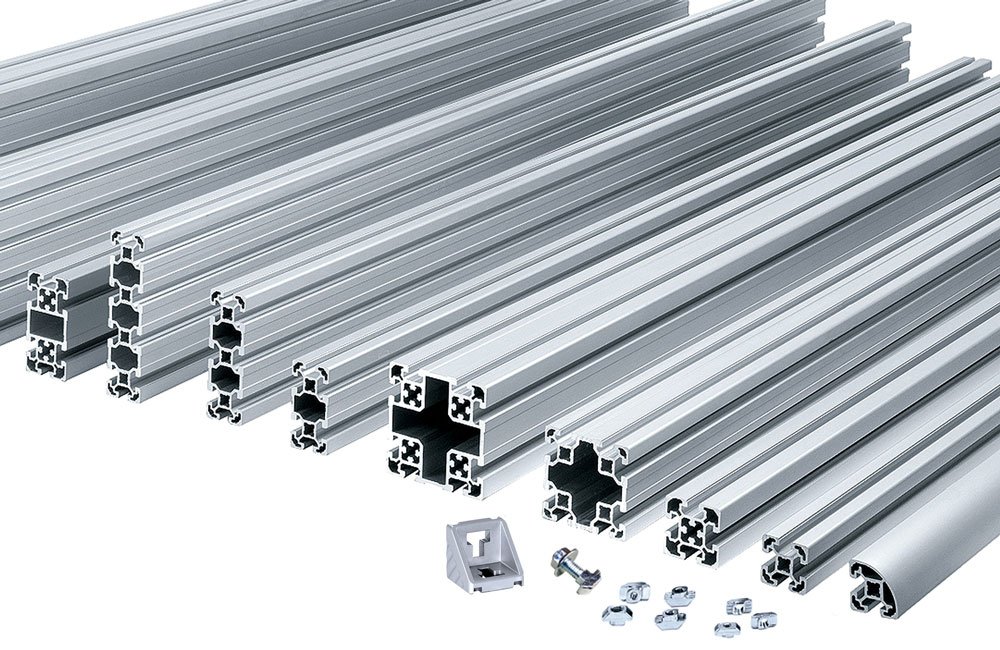

Robotic arms, sensors, conveyors, actuators, and control panels all need stable structures around them to work correctly. Behind many modern mechatronic systems, modular framing provides the physical backbone that keeps automated movement accurate, accessible, and easier to modify. That is why T slot aluminum extrusion has become a practical choice for manufacturers building smarter, cleaner, and more adaptable production equipment.
Mechatronic Frameworks Built for Sensors, Motion, and Machine Timing
Industrial mechatronics depends on precise coordination between mechanical parts, electronics, and software-controlled movement. Strong framing matters because even small shifts in sensor position or actuator alignment can affect repeatability. MiniTec Aluminum Framing gives engineers a structured platform for mounting switches, cameras, light curtains, drives, and control components without excessive fabrication work. Reliable framework design helps automated systems stay organized, serviceable, and accurate during demanding production cycles.
Fast Equipment Mounting Without Welding, Grinding, or Rework Delays
Traditional welded frames can slow down prototype builds and machine changes because every adjustment may require cutting or refinishing. Modular framing changes that process by allowing brackets, plates, panels, and accessories to attach directly into profile slots. MiniTec extruded aluminum framing supports faster machine assembly because teams can reposition parts with common fasteners instead of rebuilding the structure. That flexibility helps mechatronics projects move from concept to production with fewer interruptions.
Cleaner Cable Routing for Controls, Drives, and Feedback Devices
Electrical organization often determines how easy a mechatronic system is to maintain. Loose wiring around moving equipment creates clutter, service confusion, and possible damage during operation. An extruded aluminum T slot framework can support cable ducts, wire clips, sensor brackets, and panel mounts along the same structural members used to hold mechanical components. Neat routing helps technicians trace connections faster while keeping automation areas safer and more professional.
Rigid Support for Linear Motion, Pneumatics, and Actuated Assemblies
Linear slides, pneumatic cylinders, servo-driven axes, and small robotic units all need firm mounting points to perform correctly. Weak or poorly aligned support structures can introduce vibration, binding, or inaccurate travel. T slot extrusion profiles provide straight, repeatable mounting surfaces that help maintain alignment across compact machines and larger automation cells. Proper support improves motion quality while giving engineering teams room to refine actuator placement as the system develops.
Modular Guarding That Protects Operators Without Blocking Access
Safety guarding plays a major role in automated environments where moving machinery operates near people. Fixed barriers may protect operators, but they can also make maintenance difficult if access points are poorly planned. T slot aluminum extrusion makes it easier to build machine guards, access doors, panel frames, and enclosure systems around working equipment. Clear panels, mesh inserts, and interlock-ready doors can be added where visibility and service access both matter.
Prototype-Friendly Structures That Help Engineers Test Ideas Faster
Early-stage mechatronics projects rarely begin with a perfect layout. Engineers often need to test sensor height, actuator spacing, bracket locations, and operator reach before finalizing a design. An aluminum framing kit allows teams to build, adjust, measure, and revise without waiting for custom welded parts. Faster iteration supports better decisions because production teams can physically test machine behavior before committing to final equipment geometry.

Lightweight Strength for Mobile Fixtures and Modular Machine Bases
Mechatronic equipment does not always stay in one place. Test benches, mobile carts, inspection stations, and small automation modules may need to move between production areas. Aluminum framing material offers a useful balance of strength and manageable weight, making it easier to build mobile platforms that remain sturdy during operation. Locking casters, leveling feet, handles, and accessory mounts can be added without complicating the base structure.
Scalable Machine Cells Ready for Future Automation Additions
Production systems often grow in stages instead of arriving fully complete on day one. A simple fixture may later gain barcode scanners, sensors, conveyors, pick-and-place devices, or operator interface panels. Modular framing supports that gradual growth because new components can attach to existing profiles instead of requiring an entirely new machine base. Scalable structures help manufacturers protect earlier investments while preparing for added automation.
Serviceable Designs That Make Repairs Less Disruptive on the Floor
Maintenance teams value equipment that can be opened, adjusted, and repaired without major teardown. Slot-based framing helps because panels, guards, brackets, and mounted devices can often be removed or repositioned with basic tools. This service-friendly design supports faster troubleshooting when sensors fail, cables need replacement, or mechanical parts require adjustment. Better access can reduce downtime while keeping production equipment easier to understand.
Custom Industrial Platforms for Smarter Factory Engineering
Modern mechatronics needs framing that can support precision, flexibility, and future change at the same time. MiniTec systems help manufacturers create machine bases, automation frames, workstations, guards, and equipment structures that match specific production requirements. Minitec Solutions provides modular framing products and engineered support for facilities using MiniTec Aluminum Framing, helping teams build practical mechatronic platforms that improve organization, adaptability, and long-term manufacturing performance