
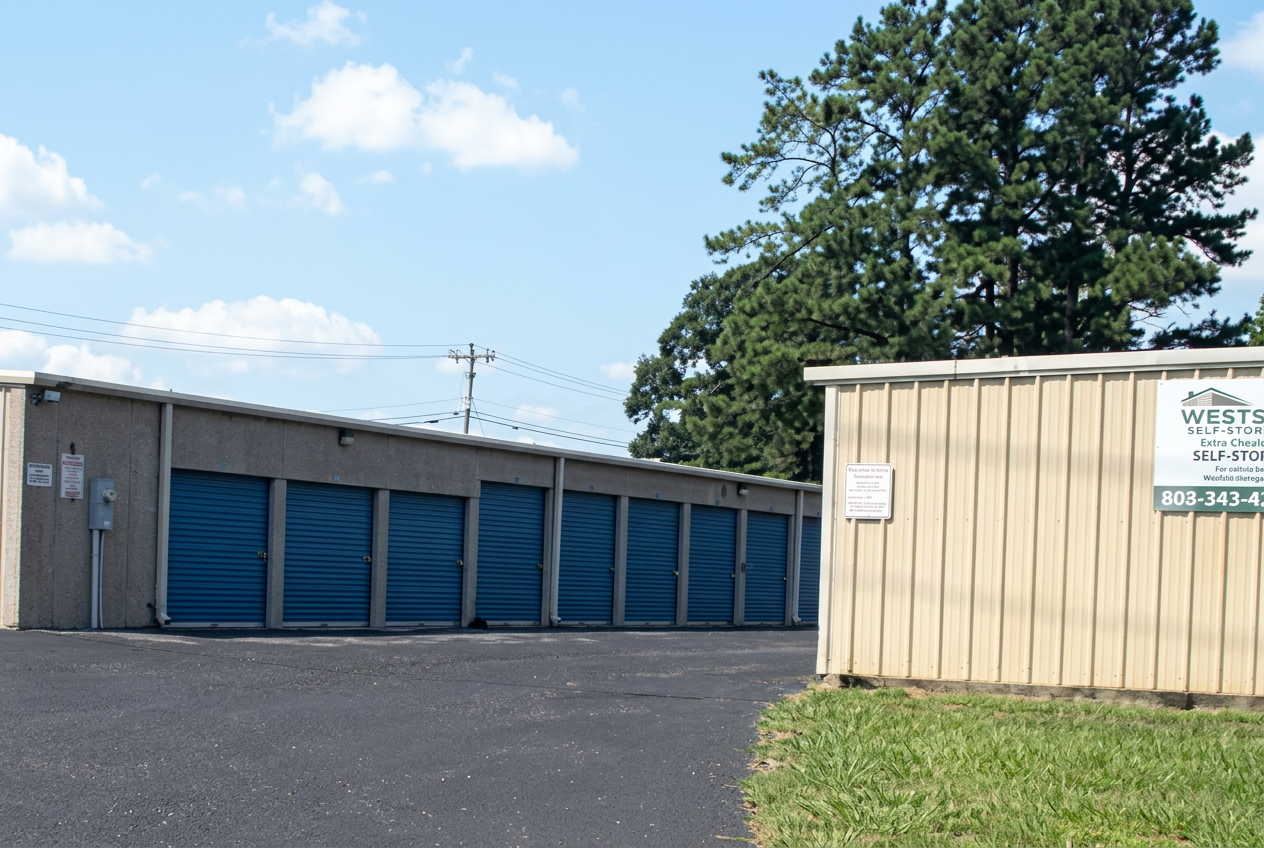

Parking a large RV takes more than lining up with an empty space. Length, turning radius, mirror width, rear swing, and ground clearance all affect how easily a motorhome or trailer can settle into position. Careful setup helps owners avoid contact with posts, curbs, neighboring vehicles, and structural parts inside RV storage units.
Start With the Full Vehicle Footprint, Not the Body Length
Factory length can leave out equipment that changes how much room an RV needs. Hitches, ladders, spare tires, bike racks, tow bars, mirrors, and rear cargo carriers may extend beyond the main body. Measuring the entire parked setup gives a better picture of the space required than relying on the model specification alone.
Owners should also record the widest point and the total height with roof equipment in travel position. These measurements matter when comparing storage units because painted lines, posts, door frames, or roof supports can narrow the usable area. Extra clearance around the vehicle can make parking far easier during repeated visits throughout the year than fitting into a space with almost no margin.
Why Turning Radius Matters Before the RV Reaches the Space
Long motorhomes and trailers need more room to change direction than passenger vehicles. The front may clear a corner while the rear swings toward a fence, post, or neighboring RV, especially on vehicles with a long rear overhang. Wheelbase affects how sharply the vehicle can turn, while trailer axles follow a tighter path than the tow vehicle. Drivers should walk the approach before backing in and note curbs, drainage channels, light poles, and parked equipment. Open access reduces repeated corrections that can make a tight parking job harder.
Use a Spotter Where Mirrors Leave Blind Areas
Mirrors and cameras help, but they do not show every part of a large vehicle at once. Outside help can monitor the rear corners, roofline, wheel path, and distance from neighboring spaces while the driver focuses on steering.
Communication should stay simple and consistent. Hand signals or a phone connection work best when both people agree on the commands before movement begins. Spotters need to remain visible in a mirror and outside the vehicle’s path, and the driver should stop immediately if visual contact is lost.
Backing In Can Make Departure Easier Later
Backing into RV storage often takes more effort at arrival, but it may create a simpler exit when the vehicle is retrieved. Operators can usually pull forward with better visibility instead of reversing into a shared aisle where other customers or vehicles may be moving. Alignment matters before the final turn begins. Starting too close to one side can force several corrections and leave the RV angled inside the space. Pulling forward to reset is often safer than continuing a poor approach, particularly with fifth wheels and long travel trailers that respond slowly to steering changes.
Leave Enough Side Space for Doors and Maintenance
Fitting between painted lines can still leave a vehicle difficult to use. Entry doors, basement compartments, battery panels, generator access, tire valves, and utility hatches all need room to open without striking a wall or another RV.
Slides and awnings should normally remain retracted unless facility rules allow temporary extension. People planning to check batteries, inspect tires, or remove supplies during storage should leave more working room on the side where those tasks occur. Adequate clearance can reduce awkward climbing and prevent tools or doors from rubbing against nearby surfaces.
Watch the Rear Swing, Hitch, and Wheel Position
Rear swing becomes easy to underestimate while backing a Class A motorhome or long trailer. As the front turns one way, the back corner can move the opposite direction and approach objects that looked safely distant a moment earlier. Hitch hardware requires its own clearance after the vehicle is parked. Fifth-wheel owners need space to disconnect the tow vehicle, lower the landing gear, release the jaws, and drive forward without striking nearby barriers. Travel trailers require room around the tongue jack, safety chains, coupler, and electrical connection. Wheel chocks should sit securely without extending into a shared lane.
Finish With a Straight, Stable Parked Position
Final placement should leave the RV centered enough to protect both sides and keep drive areas clear. Tires need to rest fully inside the assigned space, while ladders, mirrors, hitches, and rear accessories should not extend into neighboring areas.
Level ground helps distribute weight more evenly across the tires and suspension. Approved tire pads may be useful where facility rules permit them, and chocks can prevent unwanted movement after parking. Before departure, a walk-around should check roof clearance, compartment doors, steps, covers, locks, and anything that may have shifted during positioning. Photographs of the final setup can provide a reference for later visits. Storage Partner accommodates motorhomes, fifth wheels, travel trailers, and similar recreational vehicles in RV storage spaces designed for larger vehicles. People searching for storage units near me can review available dimensions, entry paths, and clearance features before choosing a space with enough room for safe maneuvering.